
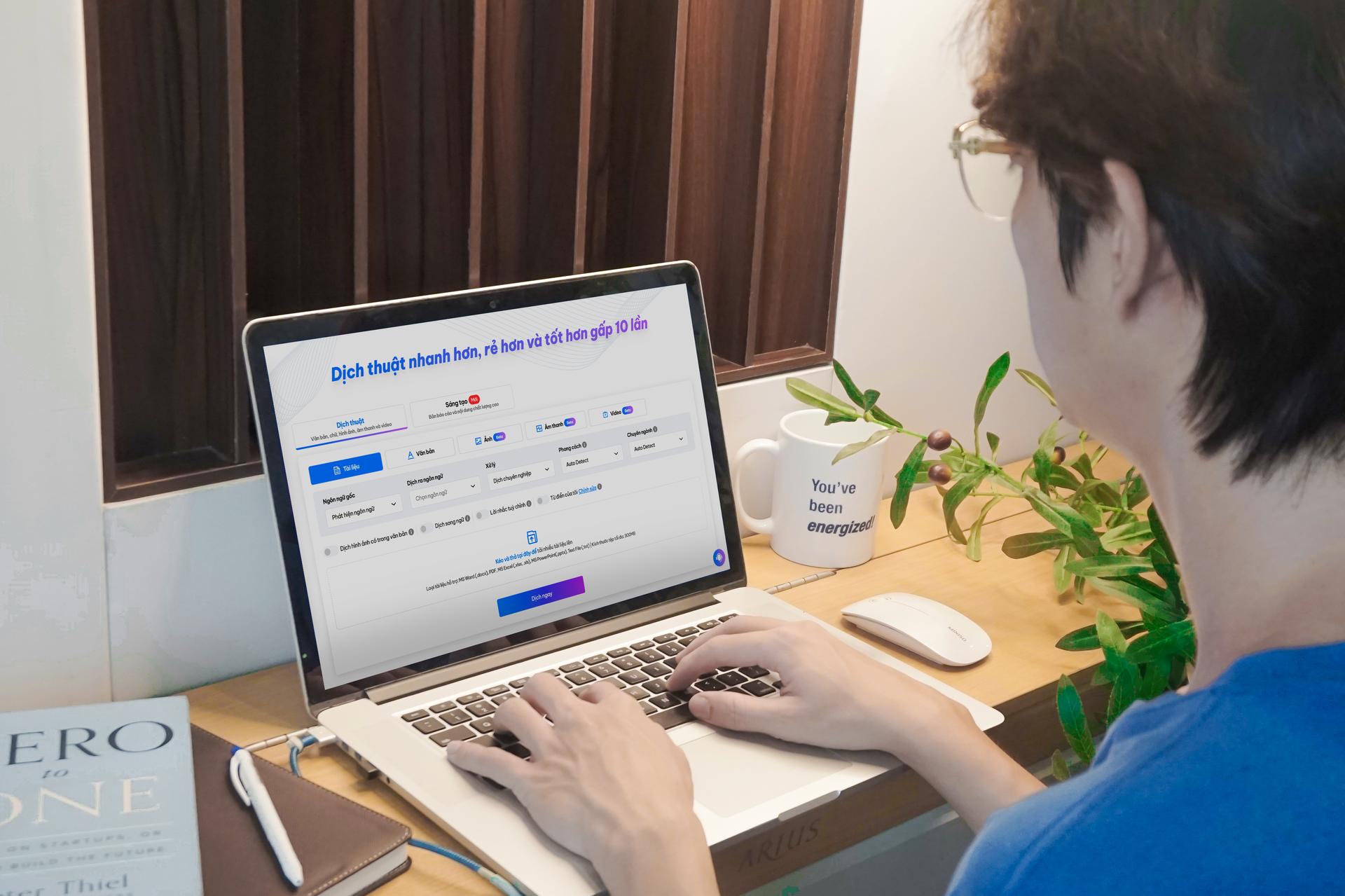
Navigating the complexities of Vietnamese to Korean Video Translation requires a deep understanding of both linguistic nuances and technical specifications.
Enterprise-level projects often face significant hurdles when transitioning media content from a tonal Southeast Asian language to a structured East Asian language.
This transition involves more than just simple word-for-word conversion; it requires a structural adaptation of the entire media container and its metadata.
For global corporations, the quality of localized video content directly impacts brand perception and market penetration in South Korea.
If the subtitles are out of sync or the audio sounds robotic, the message loses its authority.
Professional video localization services must address these technical gaps to ensure a seamless experience for the end-user.
This guide explores why these failures occur and how modern AI tools can provide a permanent solution for enterprise content.
Why Video files often break when translated from Vietnamese to Korean
The technical breakdown during Vietnamese to Korean Video Translation usually stems from the fundamental differences in syntax and character density.
Vietnamese uses the Latin script with extensive diacritics, whereas Korean uses Hangul, which is grouped into syllabic blocks.
When a translation engine converts text, the resulting Korean string is often significantly shorter or longer in visual width than the original Vietnamese.
This discrepancy causes fixed-width subtitle boxes to overflow or become unreadable, breaking the visual integrity of the frame.
Another major technical factor is the difference in sentence structure, specifically the transition from SVO (Subject-Verb-Object) in Vietnamese to SOV (Subject-Object-Verb) in Korean.
This reversal means that the most important information might appear at the end of a sentence in Korean, whereas it appeared at the beginning in Vietnamese.
If the subtitle timing is based on the original audio cues, the visual text might not match the speaker’s emotional beats.
Such misalignment leads to a cognitive load for the viewer, making the content difficult to follow.
Encoding and Character Set Discrepancies
Many legacy video editing tools struggle with UTF-8 encoding when rendering Hangul characters alongside Vietnamese diacritics.
If the font library used by the video renderer does not support the specific Unicode blocks for Korean, the output results in
Leave a Reply