
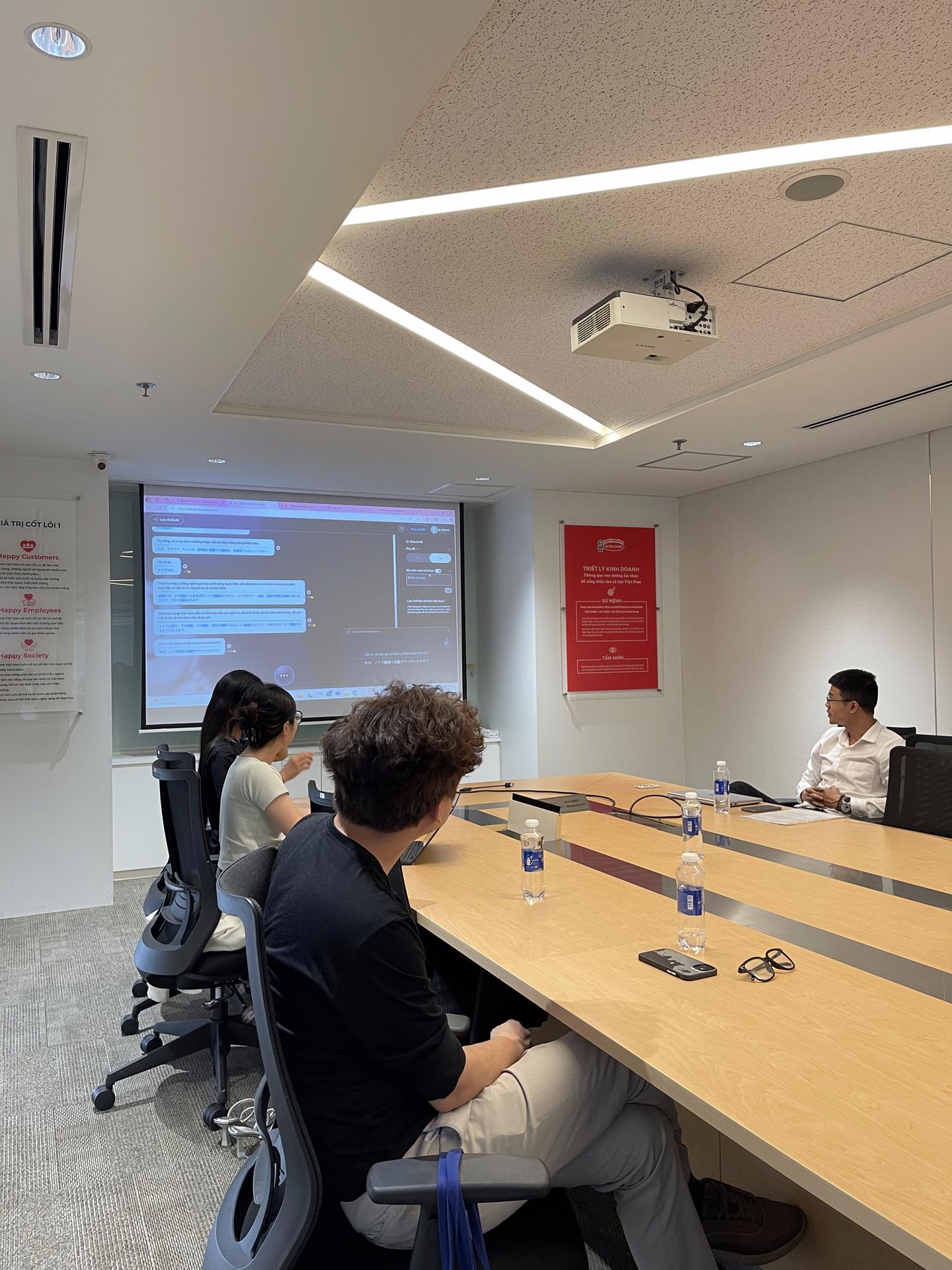
Enterprise communication in the Asian market requires a sophisticated approach to Thai to Japanese audio translation to ensure operational efficiency.
As business partnerships between Thailand and Japan continue to flourish, the need for accurate documentation of meetings and presentations has grown exponentially.
Traditional transcription methods often fail to capture the subtle nuances of these distinct linguistic systems, leading to costly misunderstandings.
Organizations must now look toward specialized AI solutions that bridge the gap between Southeast Asian phonetics and East Asian grammatical structures.
Why Audio files often break when translated from Thai to Japanese
The primary reason Thai to Japanese audio translation fails in standard environments is the massive phonological difference between the two languages.
Thai is a tonal language where a single syllable can change meaning based on its pitch, a feature that many generic Speech-to-Text (STT) engines cannot handle.
Conversely, Japanese relies heavily on context and pitch-accent, making it difficult for basic algorithms to map Thai intent directly into Japanese text.
When these systems collide, the resulting transcriptions often lose the original speaker’s tone and professional context.
Furthermore, the technical architecture of legacy audio processors is rarely optimized for the specific frequency ranges of Thai speech.
Background noise in corporate boardrooms or factory floors can further distort the audio signal, leading to corrupted output during the translation phase.
When the system attempts to convert these distorted Thai segments into Japanese, the syntax often collapses entirely.
This results in
Để lại bình luận