
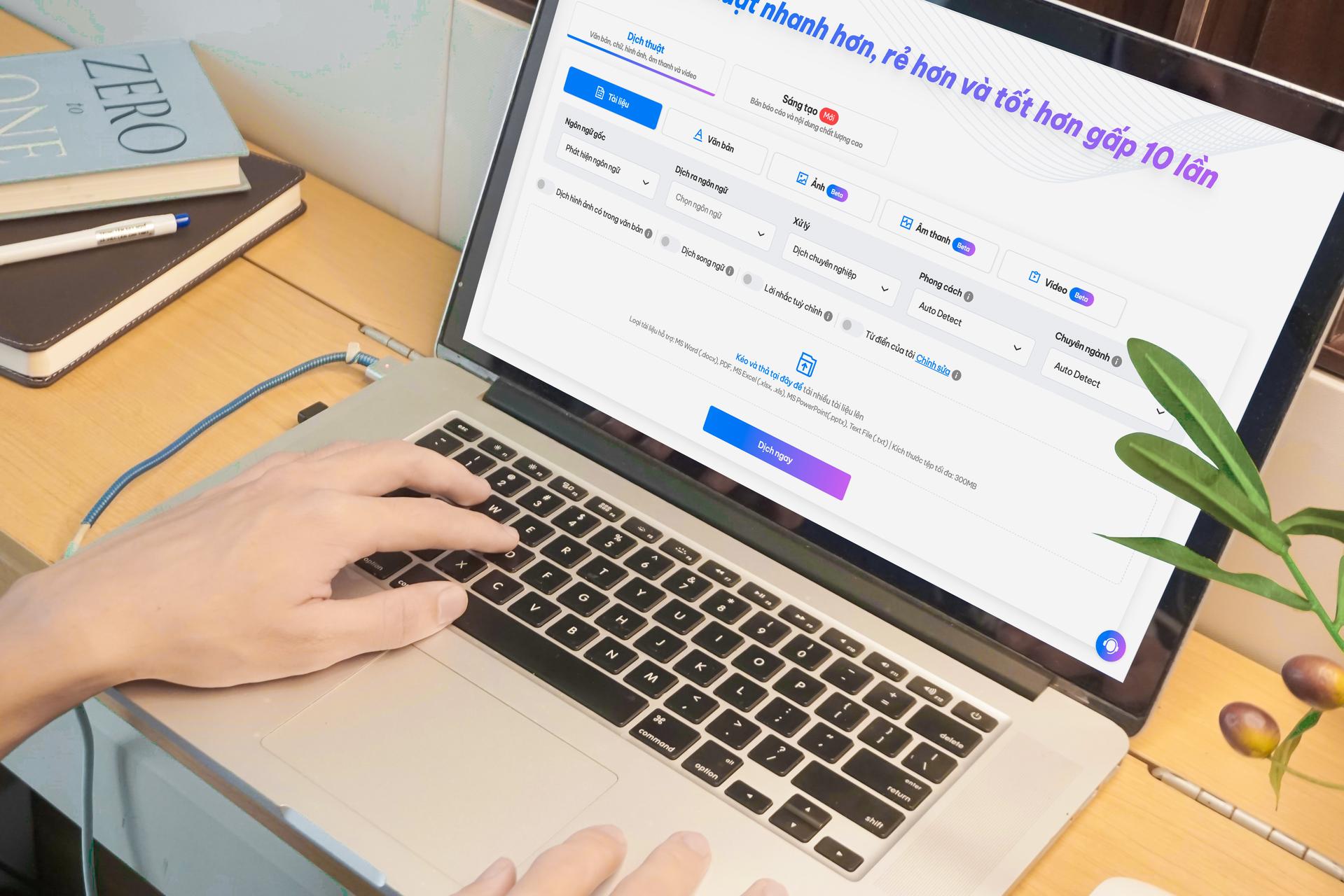
Enterprise communication relies heavily on visual storytelling, making Japanese to Chinese PPTX translation a critical task for regional expansion.
Professional presentations often contain complex branding, intricate charts, and specific font hierarchies that are easily disrupted during the localization process.
When these files are handled incorrectly, the resulting slides can appear unprofessional and damage corporate credibility in the Chinese market.
Why PPTX files often break when translated from Japanese to Chinese
The technical architecture of a PPTX file is essentially a collection of XML documents bundled into a compressed archive.
When performing Japanese to Chinese PPTX translation, the underlying XML structure must handle different character encodings and text box dimensions.
Japanese text often uses multi-byte characters like Kanji, Hiragana, and Katakana, which have different spatial requirements compared to Simplified or Traditional Chinese.
One primary reason for layout breakage is the difference in text expansion and contraction rates between the two languages.
While both languages are logographic, the stroke density and default line heights of Chinese fonts often differ significantly from Japanese counterparts.
If a translation engine simply replaces strings without recalculating the bounding boxes within the XML, the text will inevitably overflow the intended containers.
Furthermore, Japanese presentations frequently utilize vertical text boxes, which are a nightmare for standard translation tools.
Chinese also supports vertical orientation, but the alignment rules and punctuation placement vary between the two linguistic systems.
Without a layout-aware translation engine, these vertical elements often revert to horizontal or become completely unreadable after the conversion process.
List of typical issues in Japanese to Chinese PPTX translation
Font corruption and character rendering errors
Font corruption is perhaps the most visible issue when translating from Japanese to Chinese.
Japanese fonts like MS Mincho or Meiryo do not contain the full character set required for Simplified Chinese (GBK) or Traditional Chinese.
When a system attempts to display Chinese characters using a Japanese font, it results in the dreaded
Để lại bình luận