
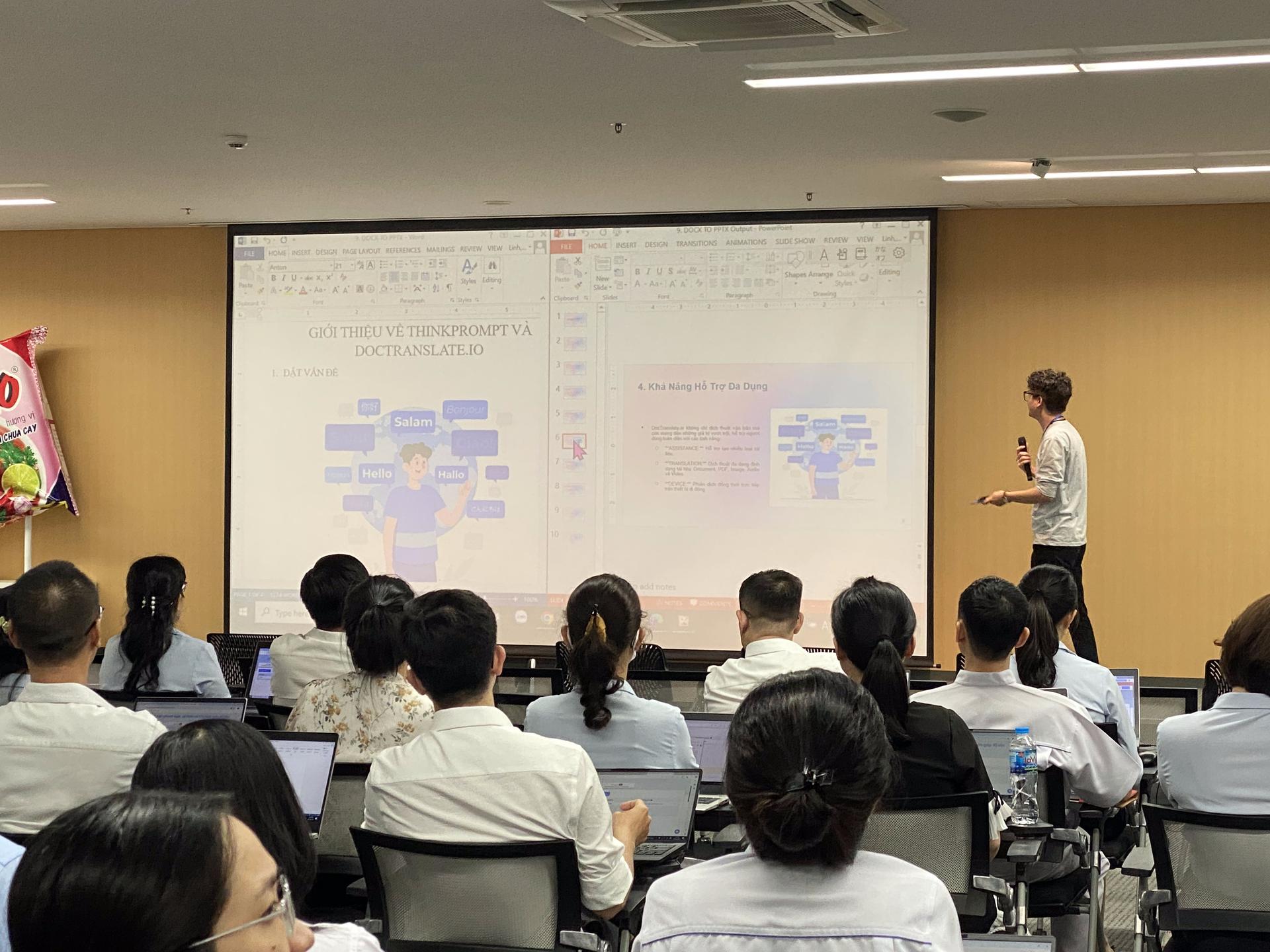
Enterprise expansion into the Southeast Asian market often requires high-quality English to Malay document translation to reach local stakeholders effectively.
Managing these large-scale translation projects involves more than just converting text from one language to another while maintaining context.
Technical challenges frequently arise when shifting from the compact syntax of English to the more descriptive nature of the Malay language.
Selecting a robust translation partner is essential for ensuring that your corporate documents remain professional and visually consistent during this transition.
Why Document files often break when translated from English to Malay
One of the primary reasons document layouts fail during English to Malay document translation is the phenomenon of text expansion.
Malay phrases often require 20% to 30% more horizontal space than their English counterparts to convey the same technical meaning.
When text expands, it can push neighboring elements like images or sidebars out of their intended positions on the page.
This leads to a messy visual experience that can undermine the perceived professionalism of an enterprise-level report or manual.
Furthermore, the grammatical structure of Malay often necessitates longer sentence constructions which can disrupt carefully designed paragraph blocks.
In a professional PDF or Word document, fixed-height containers may not be able to accommodate the additional lines of text generated.
This results in text being cut off or overlapping with footer elements and page numbers, creating a significant manual correction burden.
Understanding these spatial dynamics is the first step toward implementing a successful automated translation workflow for your organization.
Another technical factor involves the way different file formats handle character encoding and embedded metadata during the extraction process.
Legacy translation tools often strip out formatting tags or fail to recognize the relationship between text layers and background graphics.
When these tools attempt to reassemble the document in Malay, they lack the contextual awareness to adjust the layout accordingly.
This technical debt in older software is why modern enterprises are moving toward AI-driven solutions that prioritize layout preservation.
Finally, the directional flow and alignment of text can sometimes behave unpredictably when dealing with complex multi-column layouts.
While both English and Malay are read from left to right, the way word wrapping occurs can vary significantly between the two languages.
Short English headers may wrap into two lines, while the Malay equivalent might require three or four lines of vertical space.
Without a smart layout engine, these small shifts accumulate across a 100-page document, leading to total structural failure by the end.
Typical Issues: From Font Corruption to Image Displacement
Font corruption is a persistent issue when performing English to Malay document translation using outdated or incompatible software packages.
Although Malay uses the Latin alphabet, certain specialized fonts used in branding may not contain the full character set required for standard Malay orthography.
This can result in the appearance of broken characters or
Để lại bình luận