
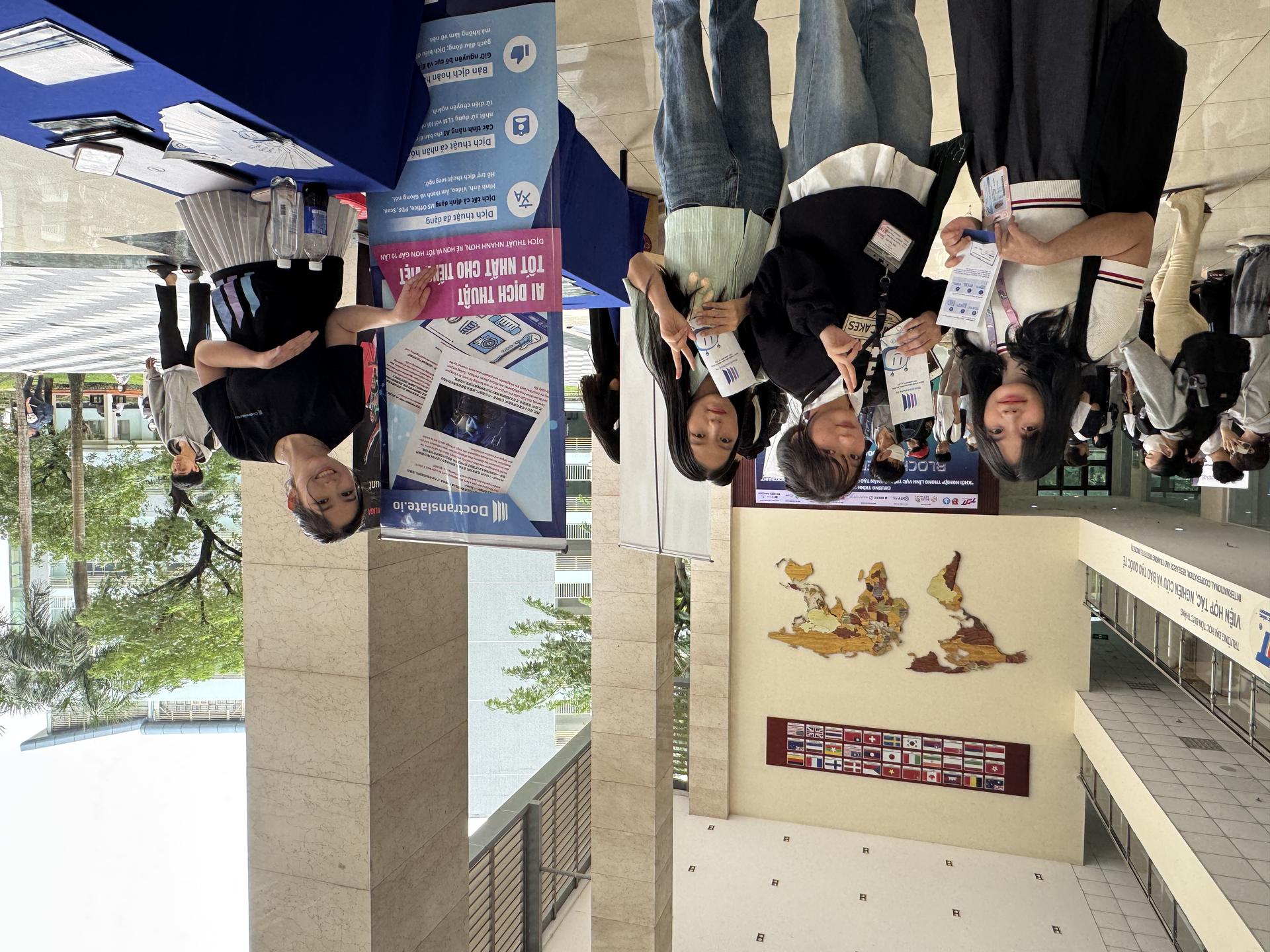
In the rapidly expanding global marketplace, the demand for high-quality Japanese to Chinese audio translation has never been higher.
Decision makers frequently encounter scenarios where critical information is locked within audio recordings, requiring seamless conversion across these complex languages.
Selecting the right tool is not just about word-for-word conversion but capturing the nuanced cultural context inherent in both Japanese and Chinese dialects.
This guide evaluates the most effective solutions currently available to help you maintain a competitive edge in international communications.
Selection Criteria for Audio Translation Tools
When evaluating Japanese to Chinese audio translation software, accuracy remains the most vital metric for any professional organization.
Reliable tools must handle various accents and technical terminologies without losing the speaker’s original intent.
Furthermore, the ability to preserve structural elements like timestamps and speaker identification is crucial for post-translation workflows.
High speed and competitive pricing also play significant roles in determining the scalability of a solution for large-scale enterprise projects.
Technical compatibility with existing workflows is another essential consideration for modern businesses.
API availability allows for the automation of transcription and translation processes, reducing manual overhead for developers and project managers.
Security and data privacy should never be overlooked, especially when handling sensitive corporate recordings or legal documentation.
By prioritizing these factors, decision makers can ensure they invest in a platform that provides long-term value and operational efficiency.
Detailed Reviews of Top Audio Translation Solutions
1. Doctranslate: The Leader in Precision
Doctranslate has established itself as the premier choice for organizations requiring enterprise-grade Japanese to Chinese audio translation.
It utilizes cutting-edge neural machine translation models that are specifically optimized for the structural differences between Japanese and Chinese.
One of its most impressive features is the high-fidelity preservation of audio context, ensuring that translated text remains coherent and professional.
For teams looking to scale their operations, you can <a href=
Để lại bình luận