
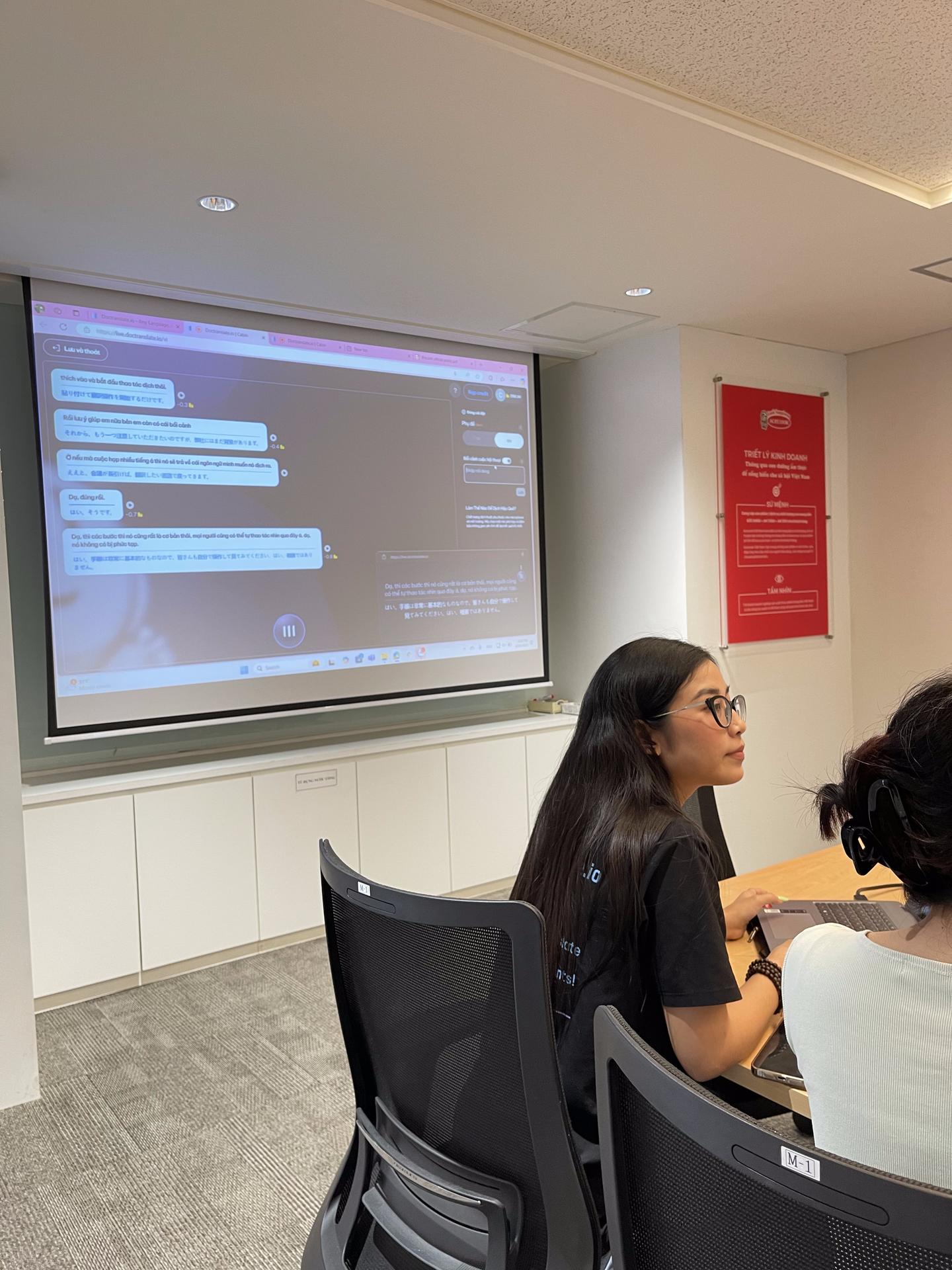
Why Audio files often break when translated from Malay to Indonesian
Enterprises operating in Southeast Asia frequently encounter significant technical hurdles when executing Malay to Indonesian audio translation for corporate assets.
While both languages share a common linguistic ancestry, the acoustic and semantic divergence between Standard Malay and Bahasa Indonesia can lead to catastrophic failures in automated systems.
Legacy translation tools often treat these languages as interchangeable, which results in a complete loss of context during the transcription phase.
The core of the problem lies in the phonological nuances and regional accents that define the two distinct geographic locations.
A speaker from Kuala Lumpur utilizes different pitch patterns and vowel stresses compared to a corporate executive in Jakarta, confusing standard acoustic models.
When these audio signals are processed without specialized regional training, the resulting text often contains gibberish or incorrect word choices that require extensive manual correction.
Furthermore, the technical architecture of many speech-to-text engines fails to account for the lexical drift that has occurred over the last century.
Technical terminology in Malaysia is heavily influenced by English, whereas Indonesian corporate language often draws from Dutch or local Javanese influences.
Without a sophisticated neural framework, the translation engine may correctly identify a sound but assign it a meaning that is completely inappropriate for the Indonesian target audience.
Modern enterprises cannot afford these inaccuracies, as they lead to miscommunication in training videos, legal recordings, and customer support logs.
To maintain professional standards, organizations must move beyond generic translation tools and adopt high-fidelity AI solutions designed for cross-border communication.
By understanding the technical limitations of traditional software, your team can better prepare for the complexities of regional audio localization projects.
The Challenge of Phonetic Overlap
One of the primary reasons audio files break is the high degree of phonetic overlap which masks subtle but critical differences in meaning.
For instance, certain vowels in Malay are clipped differently than in Indonesian, leading the AI to misidentify the root word entirely during the decoding process.
This phonetic confusion creates a ripple effect where the subsequent machine translation layers are fed incorrect data from the start.
In a corporate environment, this often results in the mislabeling of speakers or the total omission of key technical specifications within a transcript.
If the initial transcription layer is only 80% accurate due to accent issues, the final Indonesian translation will likely be incomprehensible to a native speaker.
To mitigate this, sophisticated enterprises are now using advanced workflows to <a href=
Để lại bình luận