
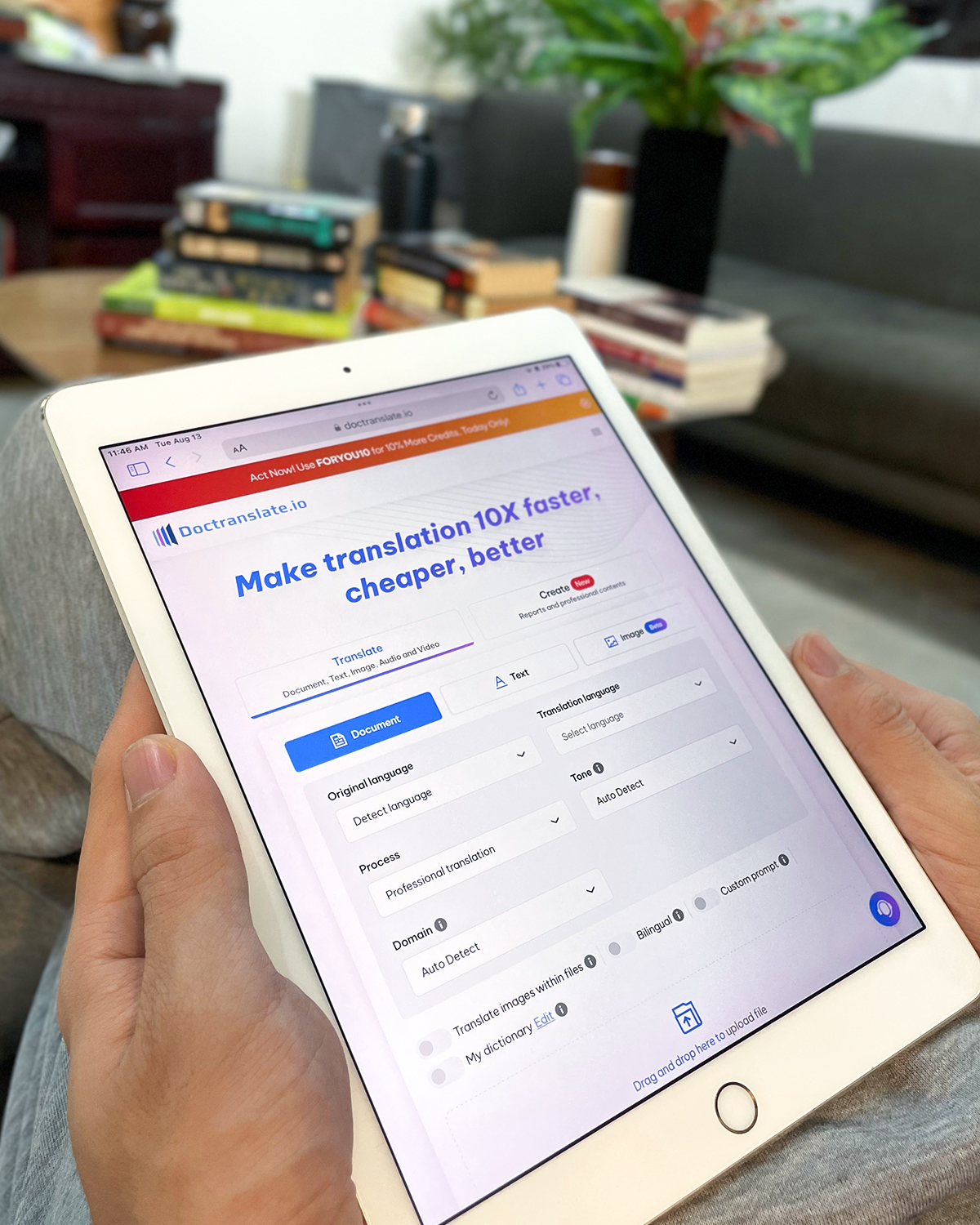
Enterprise organizations operating in global markets often encounter significant friction when localized visual assets fail to meet professional standards.
Navigating the complexities of Japanese to Indonesian Image Translation requires more than just basic optical character recognition; it demands a deep understanding of visual hierarchy and linguistic structure.
When these translations are handled poorly, the resulting documents can look unprofessional, leading to a loss of brand trust and operational delays.
For high-stakes environments like legal, engineering, and marketing, the integrity of the original layout is just as important as the accuracy of the text itself.
Traditional translation methods often struggle with the transition from character-dense Japanese scripts to the more verbose Indonesian language.
This article explores why these failures occur and provides a comprehensive guide on how to implement high-fidelity translation workflows for your organization.
Why Image files often break when translated from Japanese to Indonesian
The technical architecture of image files presents a unique challenge for Japanese to Indonesian Image Translation because text is often baked into the pixel layer.
Japanese text utilizes a combination of Kanji, Hiragana, and Katakana, which are character-dense and occupy a compact, square-like space.
Indonesian, conversely, uses the Latin alphabet which is phonetic and generally requires 30% to 50% more horizontal space to convey the same meaning.
This discrepancy in text volume causes significant
Để lại bình luận