
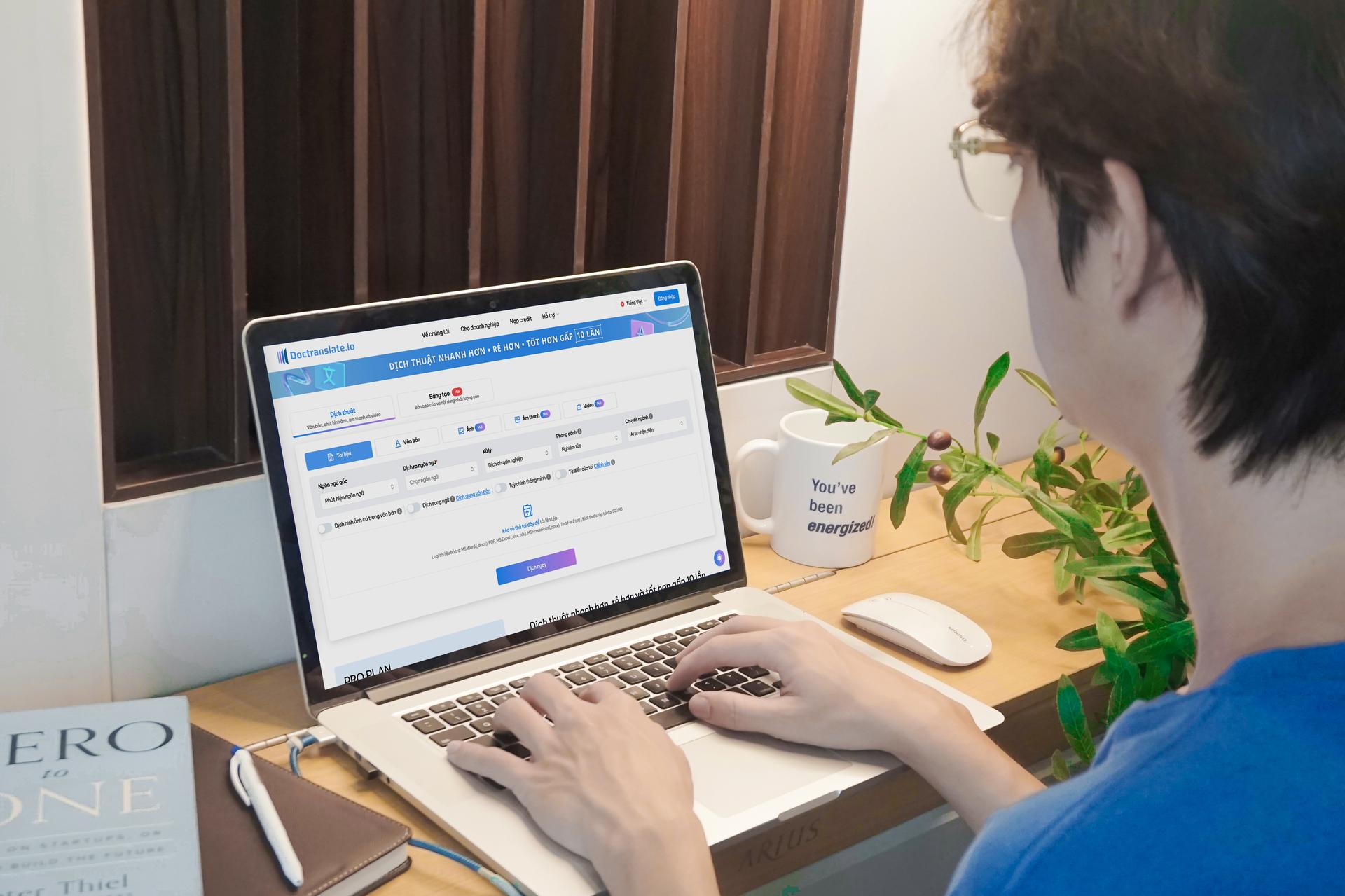
Translating complex business documents from German to French presents unique technical and linguistic challenges for modern enterprises.
German to French document translation is not just about converting words; it is about preserving the visual integrity of your corporate assets.
When professional layouts shift or fonts become corrupted, the perceived value of your documentation drops significantly.
High-stakes industries require a solution that guarantees both linguistic accuracy and structural perfection during the translation process.
Why Document files often break when translated from German to French
The primary reason for layout breakage during German to French document translation is the significant difference in sentence length.
French text typically expands by 15% to 25% compared to the original German source material.
This phenomenon, known as text expansion, pushes text boxes beyond their intended boundaries and disrupts the entire document flow.
Without intelligent layout management, your carefully designed PDF or Word file becomes a cluttered mess of overlapping elements.
Technical file structures like XML and CSS within DOCX or PDF files are often rigid and do not account for dynamic text growth.
When a standard translator replaces a short German word with a long French phrase, the container remains fixed in size.
This causes text to be cut off or forced into new lines that were never intended by the designer.
Enterprises often find that their internal teams spend more time fixing formatting than actually reviewing the translated content for quality.
Furthermore, German and French use different punctuation rules and character sets that can confuse basic translation engines.
German uses unique characters like the Eszett (ß) and various umlauts which must be correctly mapped to French accents.
If the encoding system fails, these characters transform into unreadable symbols or
Leave a Reply