
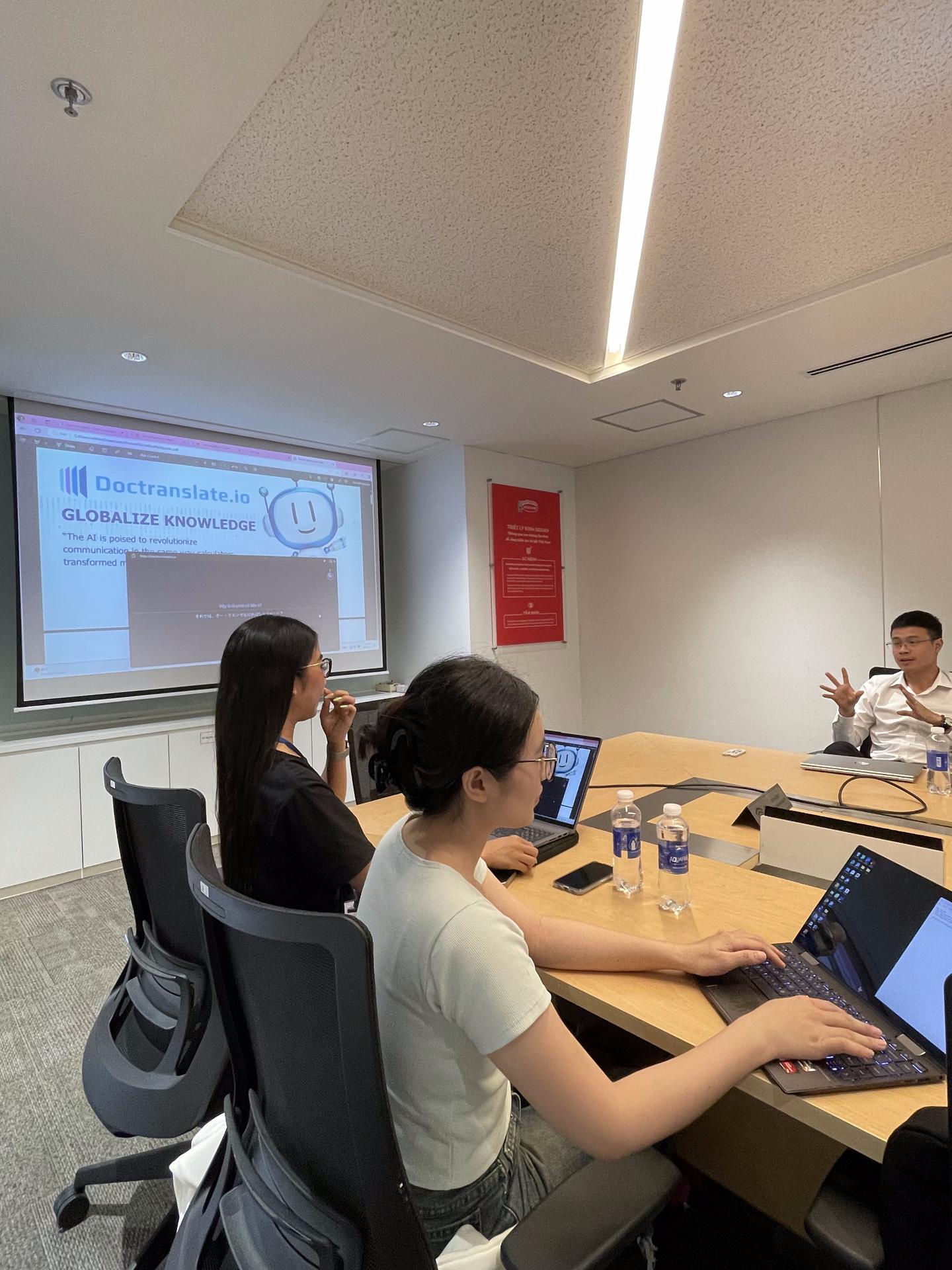
Enterprise organizations frequently struggle when automating the localization of complex technical documents from German to French.
The transition between these two linguistic powerhouses involves more than just swapping words; it requires a deep understanding of document geometry and encoding.
Using a robust German to French API translation service is essential for maintaining professional standards in high-volume environments.
Our guide explores how to overcome common technical hurdles and implement a seamless automated workflow.
Why API files often break when translated from German to French
The primary reason for document breakage during translation is the phenomenon of text expansion.
German is known for its long compound nouns, but French often requires even more space due to its use of articles and prepositional phrases.
When an API processes these files without layout awareness, the resulting French text frequently exceeds the original container boundaries.
This creates a cascade of formatting errors that can render a technical manual or legal contract unreadable.
Furthermore, character encoding plays a significant role in technical failures.
German utilizes unique characters like the Eszett (ß) and umlauts (ä, ö, ü), while French relies heavily on various accents (é, à, ç).
If the API does not strictly adhere to UTF-8 standards, these characters may transform into garbled code, often referred to as mojibake.
This corruption occurs deep within the file’s binary structure, making it difficult to repair after the translation is complete.
Linguistic structure also impacts how document parsers handle line breaks.
German syntax often places verbs at the end of sentences, whereas French follows a more linear SVO structure.
APIs that translate segment-by-segment without considering the global document context often fail to reassemble the layout correctly.
This results in broken sentences and fragmented paragraphs that destroy the document’s original flow and professional appearance.
The Impact of Text Expansion Ratios
When migrating content from German to French, the text volume can increase by as much as 20% to 30%.
Most legacy translation APIs treat text as a simple string, ignoring the physical constraints of the PDF or DOCX format.
In French, a simple German phrase might require multiple words to convey the same grammatical nuance.
Without intelligent spatial re-calculation, this extra text has nowhere to go, leading to overlapping elements.
List of typical issues in automated document translation
One of the most frustrating issues for enterprise developers is font corruption.
Many standard fonts do not support the full range of glyphs required for both German and French simultaneously.
When the API swaps text, the document viewer may fall back to a generic font that lacks the necessary kerning or style.
This results in inconsistent visual branding and a poor user experience for the end reader.
Table misalignment is another critical failure point in German to French API translation.
Tables are designed with fixed column widths based on the original German technical terms.
Once translated to French, the longer terms force the text to wrap awkwardly or expand the table beyond the page margins.
This often causes columns to merge or disappear entirely, especially in complex financial reports or data sheets.
Image displacement and caption misalignment frequently occur when the surrounding text shifts.
As the French text expands, it pushes images to the next page or creates massive white spaces that break the visual hierarchy.
If the API is not
Leave a Reply