
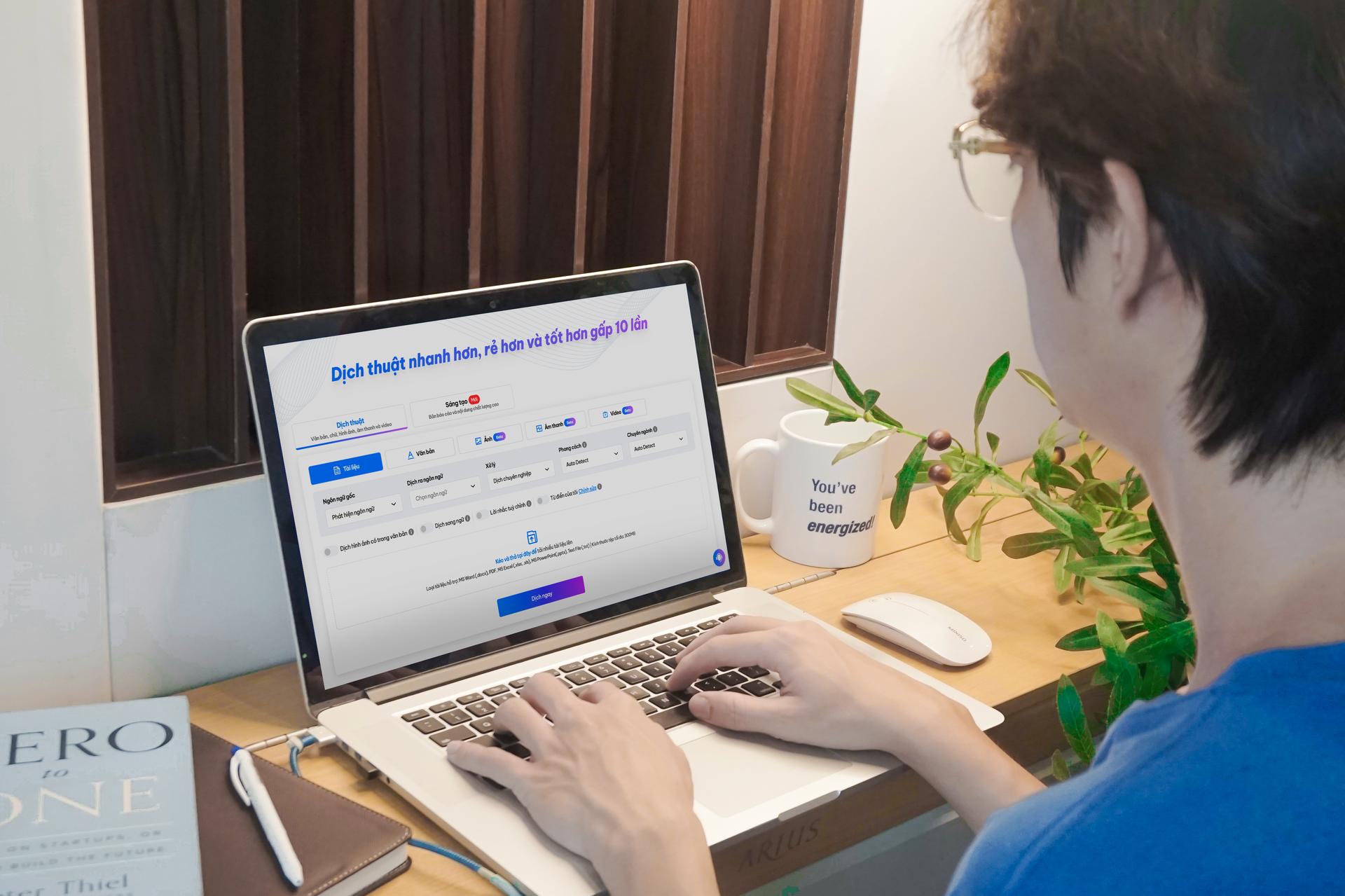
Enterprise organizations frequently struggle with the complexities of Japanese to English PPTX translation during high-stakes global presentations.
The transition from Japanese characters to English text often results in catastrophic layout shifts that compromise professional standards.
Understanding the underlying technical causes of these issues is the first step toward achieving a seamless, automated translation workflow.
Why PPTX files often break when translated from Japanese to English
The primary reason for layout breakage lies in the fundamental difference between double-byte Japanese characters and single-byte Latin characters.
Japanese text is typically more vertically dense and horizontally compact, whereas English requires significantly more horizontal space for the same meaning.
When a translation engine replaces Japanese strings with English ones, the text containers often fail to accommodate the increased character length.
Beyond simple text expansion, the internal XML structure of a .pptx file, known as the Office Open XML (OOXML) standard, is highly rigid.
Each text box has specific coordinate properties and anchor points defined within the slide’s XML schema.
If a translation tool does not programmatically recalculate these coordinates, the text will overflow its boundaries and overlap with other elements.
The Character Encoding Challenge
Japanese characters utilize UTF-8 or Shift-JIS encoding, which occupies more memory per character compared to standard English ASCII or UTF-8 Latin subsets.
Translation scripts that are not optimized for multi-byte character sets may inadvertently corrupt the underlying XML tags during the replacement process.
This results in the dreaded
Leave a Reply