
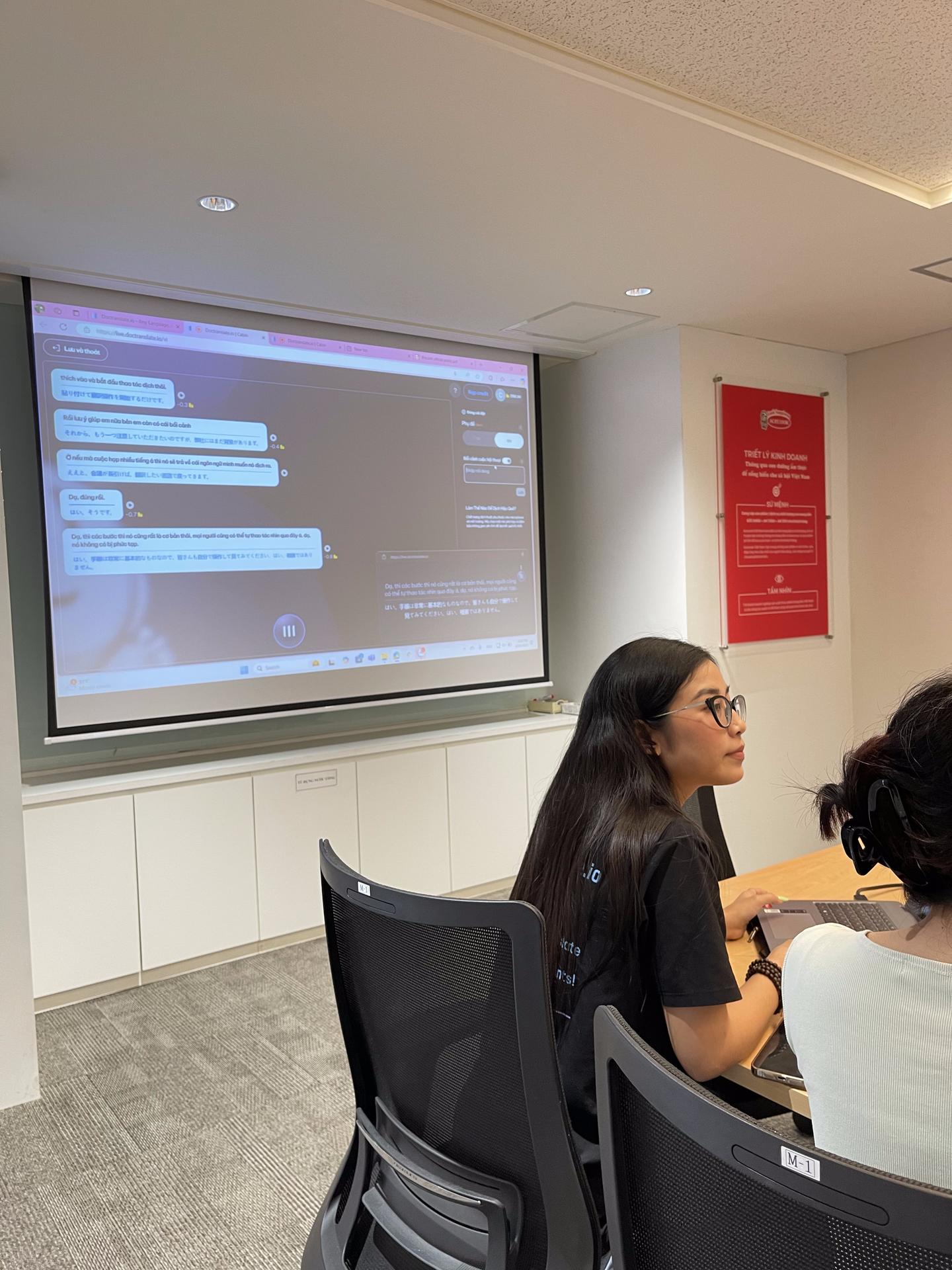
English to German document translation is a fundamental requirement for modern enterprises expanding into DACH markets.
Providing technical documentation and legal contracts in high-quality German is essential for professional credibility.
However, many organizations struggle with the technical complexities that arise during the conversion process.
The transition from English to German often introduces significant structural changes to digital files.
Text expansion and complex grammar frequently cause visual elements to shift unexpectedly.
Addressing these challenges requires a deep understanding of both linguistic nuances and document architecture.
Why Document files often break when translated from English to German
One of the primary technical reasons for layout failure is the German text expansion factor.
German sentences are typically 20% to 35% longer than their English counterparts.
This phenomenon occurs because German uses descriptive compound words and complex grammatical structures that require more horizontal space.
When a fixed-width text box in a PDF or DOCX file receives this expanded text, it often overflows.
This leads to hidden content or text that overlaps with critical images and diagrams.
Legacy translation tools often fail to recalculate the necessary bounding boxes for these expanded strings.
Furthermore, German grammar involves case endings and specific word orders that change sentence flow.
In English, a short phrase might fit perfectly inside a UI button or a table cell.
In German, that same phrase might require a much larger container to remain readable and professional.
Character encoding also plays a vital role in technical document breakage.
German includes unique characters like the Eszett and various umlauts that are not present in standard ASCII.
If a document’s encoding is not handled correctly, these characters appear as broken symbols or empty squares.
Typical issues encountered in Enterprise Document Translation
Font Corruption and Encoding Errors
Font corruption is a frequent nightmare for enterprise teams handling German documentation.
Many corporate fonts do not have full support for Central European glyphs or special German characters.
When a translation engine injects German text into a file using an incompatible font, the result is often illegible.
The system might attempt to substitute a generic font, which destroys the brand’s visual identity.
This inconsistency makes technical manuals look amateurish and can even lead to legal misunderstandings.
Ensuring that the underlying font mapping is preserved during translation is a complex technical hurdle.
Table Misalignment and Column Width Issues
Tables are particularly vulnerable during the English to German document translation process.
Because German words like
Leave a Reply